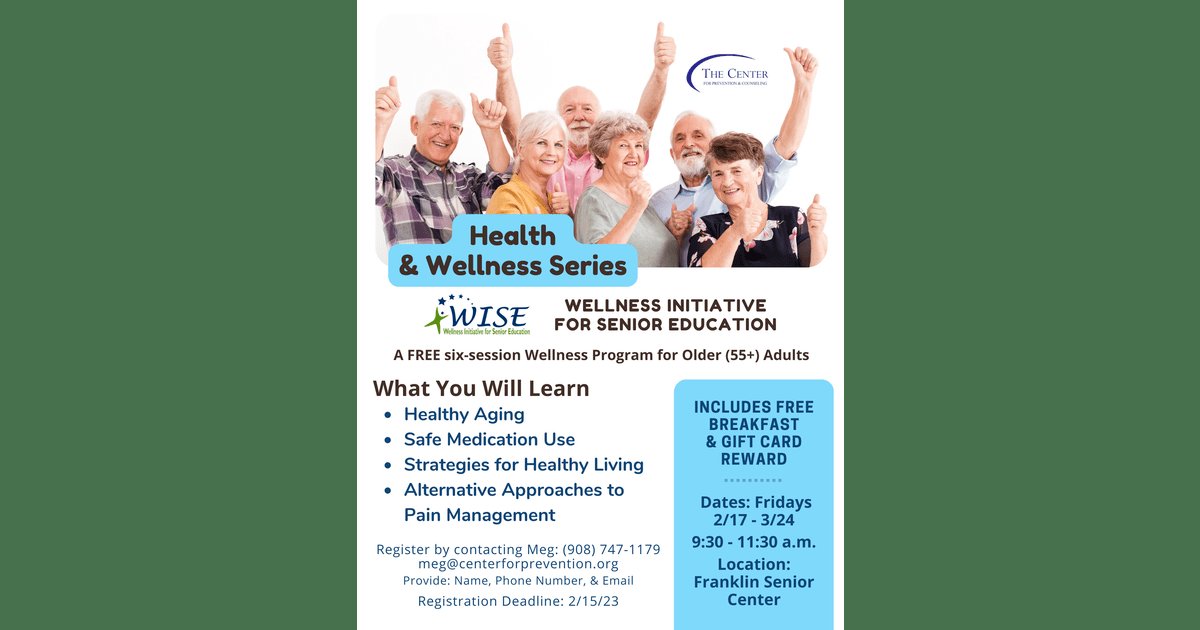
The modern workplace is evolving, and with it, the demographic of our most valuable assets: employees. As experienced professionals choose to extend their careers, creating supportive environments becomes paramount. This shift has placed a spotlight on the critical role of Health & Wellness Programs in Senior-Friendly Offices, not just as a perk, but as a strategic imperative for organizations aiming to retain talent and boost overall well-being.
Ignoring the unique needs of older workers is to overlook a rich vein of wisdom, stability, and experience. Smart employers understand that a proactive approach to wellness for this demographic isn't just a kind gesture; it's a powerful investment in a more inclusive, productive, and dynamic future.
At a Glance: Key Takeaways for Senior-Friendly Wellness
- Strategic Necessity: Supporting aging employees is crucial for retaining valuable experience and promoting a dynamic work environment.
- Holistic Approach: Programs must address physical, mental, social, emotional, and financial well-being.
- Tailored Solutions: Generic wellness programs often miss the mark; customization for age-related needs is key.
- Tangible Benefits: Effective programs lead to reduced absenteeism, lower healthcare costs, and increased productivity.
- Legal & Ethical Foundation: Compliance with ADA and ADEA is essential, alongside fostering a culture of respect.
- Start Small, Grow Smart: Begin with employee feedback, pilot a few popular ideas, and expand incrementally.
The Unsung Value of Experience: Why Supporting Older Workers Matters More Than Ever
In an era of rapid change, the experience, institutional knowledge, and unwavering stability of older workers are invaluable anchors. These seasoned professionals often bring a level of commitment and wisdom that is difficult to replicate. Yet, as individuals age, their wellness needs naturally evolve across physical, mental, and social dimensions. An office that fails to acknowledge and adapt to these changes risks not only losing vital talent but also undermining the productivity and morale of its entire workforce.
Consider the potential for minor physical discomforts like arthritis or reduced endurance, subtle shifts in cognitive processing, or the emotional impact of changing life stages. Employers who proactively understand these nuances and adapt their environment and support systems create a powerful differentiator. It's about more than just accessibility; it's about fostering a sense of belonging and ensuring every employee, regardless of age, feels valued and equipped to thrive.
Beyond Empathy: The Compelling Business Case for Investing in Senior Wellness
While the ethical considerations of supporting all employees are clear, the financial and operational benefits of robust wellness programs for older workers are equally compelling. Businesses in the U.S. alone lose an estimated $300 billion annually due to absenteeism and reduced productivity – stark figures that highlight the cost of neglecting employee well-being.
However, organizations that champion strong wellness programs often see remarkable returns. Studies indicate a significant 28% reduction in sick leave and a 26% decrease in healthcare costs for companies with effective initiatives. For older workers, these benefits can be even more pronounced, directly translating into:
- Improved Retention: Valued employees, regardless of age, are more likely to stay with a company.
- Higher Productivity: Healthier, happier employees are more engaged and perform better.
- Reduced Healthcare Costs: Proactive wellness can mitigate the onset or severity of age-related conditions.
- Enhanced Morale: A supportive environment fosters loyalty, reduces stress, and builds a positive culture.
- Knowledge Transfer: Retaining experienced employees ensures their wisdom is passed on to younger generations.
Adopting these strategies isn't just about being a good employer; it’s a strategic necessity, cultivating a more inclusive, productive, and dynamic work environment for everyone.
Crafting a Holistic Wellness Tapestry for Your Mature Workforce
Effective wellness programs for older workers must be comprehensive, addressing their evolving needs across multiple dimensions. Think of it as weaving a rich tapestry, where each thread contributes to the overall strength and beauty.
Body & Movement: Nurturing Physical Vitality
Physical well-being is often the first thing people consider when thinking about aging. Tailored programs can make a significant difference in maintaining energy levels, managing chronic conditions, and preventing injuries.
Ergonomics: Comfort is Key
Workstation comfort can profoundly impact physical well-being and concentration. Older workers, in particular, may benefit from thoughtful adjustments to prevent strain and discomfort.
- Actionable Insight: Offer professional ergonomic assessments for every employee, not just those who complain. Suggest adjustments like better chairs with lumbar support, standing desks, monitor risers, and ergonomic keyboards. This simple investment can alleviate physical discomfort, improve focus, and reduce the risk of repetitive strain injuries.
- Practical Example: Providing adjustable desks and offering training on proper posture can significantly reduce back and neck pain, leading to fewer sick days and higher productivity.
Movement & Fitness: Tailored and Accessible
Encouraging physical activity doesn't mean pushing everyone into a high-intensity boot camp. The key is offering accessible, low-impact options that promote regular movement.
- Actionable Insight: Develop tailored health programs that address common age-related conditions such as arthritis, diabetes, and cardiovascular health. This might include on-site weekly yoga or Pilates classes, stretching breaks, or organized walking groups during lunch breaks. Discounted gym memberships with access to senior-specific fitness programs are also highly valued.
- Practical Example: A "Walk & Talk" program that encourages colleagues to walk together around the office campus or a local park can combine physical activity with social interaction.
Proactive Health Screenings: Catching Issues Early
Prevention is always better than cure. Making preventative care convenient removes common barriers to health management.
- Actionable Insight: Partner with local clinics or health providers to offer on-site health screenings. These quick checks for blood pressure, cholesterol, and blood sugar can catch potential health issues early, encouraging preventative care and timely intervention.
- Practical Example: Hosting a "Health Day" where employees can get flu shots, basic screenings, and speak with health professionals can be a low-barrier way to promote health awareness.
Mind & Spirit: Supporting Cognitive Health and Emotional Resilience
Mental and cognitive wellness are just as crucial as physical health. Stress, anxiety, and the desire for continued intellectual stimulation affect all employees, but they can manifest differently or require specific support for older workers.
Cognitive Engagement: Keeping Minds Sharp
Challenging tasks are not just for career development; they're vital for maintaining cognitive agility.
- Actionable Insight: Provide opportunities for tasks that challenge cognitive skills, such as problem-solving, strategic planning, or learning new technologies. Offer access to professional development stipends for online courses, conferences, or books to support continuous learning, reduce boredom, and bring new skills to the company.
- Practical Example: Creating mentorship programs where older employees guide younger ones provides a valuable sense of purpose and keeps their problem-solving skills sharp.
Mental Health Resources: EAPs and Stress Management
Mental health support should be a cornerstone of any wellness program, especially given the various life changes older adults may navigate.
- Actionable Insight: Implement robust Employee Assistance Programs (EAP) that provide free, confidential access to therapists, counselors, and support groups for issues like depression, anxiety, grief, or caregiver stress. Host workshops on mindfulness, stress management techniques, and resilience building.
- Practical Example: Offering a series of lunchtime webinars on topics like managing stress during transitions or navigating family care responsibilities can be incredibly beneficial.
Rest & Recharge: Quiet Spaces
The ability to take a short break and recharge can significantly improve mood, alertness, and creativity, benefiting cognitive function.
- Actionable Insight: Consider providing "nap pods" or designated quiet rooms where employees can take short power naps or simply find a moment of peace. Even a comfortable lounge area can serve this purpose.
- Practical Example: A dedicated "wellness room" with comfortable seating, dim lighting, and perhaps some calming music offers an essential escape from the hustle and bustle.
Connection & Purpose: Fostering Social Well-being and Belonging
Social connection and a sense of purpose are fundamental human needs that can be enhanced through workplace initiatives. For older workers, combating isolation and maintaining relevance are particularly important.
Inclusive Culture & Team Building
An inclusive culture ensures that all employees feel valued and heard. Cross-generational interaction enriches everyone.
- Actionable Insight: Foster an inclusive culture through diversity and inclusion training that specifically addresses ageism. Organize cross-age team-building activities, social events, and interdepartmental projects that encourage collaboration and mentorship between different generations.
- Practical Example: A company-wide "Buddy System" pairing newer hires with experienced senior employees creates immediate connections and facilitates knowledge sharing.
Recognition & Value
Acknowledging contributions reinforces value and boosts morale.
- Actionable Insight: Implement recognition programs that specifically celebrate the achievements, tenure, and contributions of older workers. This could include service awards, mentorship accolades, or simply public praise for their wisdom and dedication.
- Practical Example: Feature profiles of long-tenured employees in internal newsletters, highlighting their career journey and impact on the company, or use an annual awards ceremony to honor their legacy.
Financial Future: Empowering Security and Peace of Mind
Financial stress can impact an employee's focus and overall well-being. This is especially true for older workers who may be contemplating retirement, managing investments, or navigating the complexities of healthcare costs in later life.
Personalized Planning & Guidance
Accessible, expert financial advice can alleviate significant stress.
- Actionable Insight: Offer personalized financial advice for retirement savings, investment strategies, and estate planning. Partner with financial advisors to host expert-led workshops on budgeting, navigating healthcare costs in retirement, and home buying.
- Practical Example: A series of lunch-and-learn sessions focused on "Retirement Readiness" or "Understanding Your Benefits in Your Later Career" can provide critical information.
Seamless Transitions: Phased Retirement
Supporting employees through life's biggest transitions demonstrates true care.
- Actionable Insight: Create retirement transition programs that allow for flexibility, such as part-time work options, phased retirement schedules, or opportunities for consulting roles post-retirement. This allows older employees to gradually reduce their hours while remaining engaged and contributing their expertise. You can learn more about initiatives like this at the Pioneer Generation Office.
- Practical Example: Implementing a "reverse mentorship" program where older employees continue to advise while transitioning to fewer hours can provide a structured way to maintain engagement and pass on knowledge.
Bringing It All Together: A Roadmap for Implementation
You don't need to launch every program simultaneously. A thoughtful, phased approach is more sustainable and effective.
Step 1: Listen First – Understanding Your Workforce's Needs
A common pitfall is implementing programs that employees don't actually want or need.
- Actionable Insight: Start by surveying your employees, specifically asking about their health priorities, preferred activities, and what support would be most valuable to them. Anonymous feedback ensures honesty.
- Practical Example: Use an online survey tool or conduct small focus groups to gather input directly from your mature workforce. What are their biggest health concerns? What type of physical activity do they enjoy?
Step 2: Start Small, Think Big – Piloting Your First Programs
Overwhelm leads to failure. Pick one or two popular, high-impact ideas to begin.
- Actionable Insight: Based on feedback, launch one or two popular and feasible programs. This allows you to test the waters, iron out kinks, and demonstrate commitment.
- Practical Example: If ergonomic discomfort is a common theme, start with offering professional ergonomic assessments. If stress is high, pilot a series of mindfulness workshops.
Step 3: Measure, Adapt, Celebrate – Continuous Improvement
Wellness is an ongoing journey, not a destination.
- Actionable Insight: Continuously review wellness programs based on participation metrics, feedback, and observed impact. Celebrate successes, however small, to build momentum and foster a natural, supportive culture of health. Gather testimonials and share success stories.
- Practical Example: After a few months, send out another short survey to gauge satisfaction with the pilot programs. Did the ergonomic adjustments help? Did the yoga classes reduce stress? Use this data to refine existing programs and inform future additions.
Leadership Buy-in & Training: The Foundation of Success
Programs won't thrive without support from the top and informed middle management.
- Actionable Insight: Train leadership and managers on the specific needs of aging workers and how to effectively support them through wellness initiatives. This ensures consistent messaging and genuine advocacy throughout the organization.
- Practical Example: Incorporate modules on "Supporting an Aging Workforce" into management training, covering topics like flexible work arrangements, mental health awareness, and career development for seasoned professionals.
Navigating the Legal Landscape: Respect, Dignity, and Compliance
When developing and implementing wellness programs, it's crucial to operate within established legal frameworks that protect older workers. In the U.S., two key pieces of legislation are paramount:
- Americans with Disabilities Act (ADA): Ensures equal opportunity for individuals with disabilities. Wellness programs must be accessible to all employees, including those with age-related disabilities, and any health screenings must be voluntary and confidential.
- Age Discrimination in Employment Act (ADEA): Prohibits employment discrimination against individuals aged 40 or older. Wellness programs should not differentiate benefits or access based on age in a discriminatory manner.
The focus must always be on respect, dignity, and fairness. Programs should be inclusive and designed to support all employees, rather than inadvertently creating barriers or implying that certain age groups are "problematic." Regularly reviewing your programs with legal counsel can help ensure compliance and best practices.
Your Next Steps: Cultivating a Thriving Senior-Friendly Workplace
You now have a robust framework for implementing Health & Wellness Programs in Senior-Friendly Offices that truly boost older worker well-being. It's not about complex, expensive overhauls, but rather a series of thoughtful, targeted initiatives that demonstrate genuine care and strategic foresight.
Start today by initiating a conversation within your organization. Survey your employees, listen to their voices, and pick one or two areas where you can make an immediate, positive impact. By investing in the health and wellness of your mature workforce, you're not just supporting individuals; you're building a more resilient, knowledgeable, and thriving organization for years to come.